The AI Vanguard: Between Experimental Labs and Everyday Tasks
Today’s AI headlines capture a sector in high-speed transition, moving from the experimental fringes of science directly into the most mundane corners of our operating systems. While Silicon Valley continues to pour billions into new research labs, we are simultaneously grappling with the reality of AI “agents” that can read our files, mimic our voices, and potentially compromise our security if left unchecked.
Microsoft is currently leading the charge in making AI an inescapable part of the desktop experience. The company recently showcased new AI-powered “agents” integrated directly into the Windows 11 taskbar and File Explorer. This feature, dubbed “Ask Copilot,” aims to replace traditional Windows Search with a more conversational, action-oriented interface. However, this deep integration is already showing some growing pains. A recent technical error at Microsoft resulted in confidential emails being exposed to the Copilot tool. While Microsoft insists no unauthorized personnel gained access to sensitive data, it highlights a persistent anxiety: as AI becomes more deeply woven into our file systems, the line between helpful assistance and data leakage becomes dangerously thin.
The security concerns don’t end with accidental leaks. New research suggests that AI platforms themselves—including high-profile assistants like Grok and Copilot—can be abused for stealthy malware communication. Security experts found that the web-browsing capabilities of these bots can be manipulated to act as intermediaries for “command-and-control” activity, allowing malware to receive instructions without triggering traditional security red flags. It is a sobering reminder that every new capability we give an AI is a new tool that can be turned against the user.
Despite these hurdles, the industry’s giants are doubling down on hardware and high-level research. Apple is reportedly developing a suite of AI-powered wearables, including smart glasses and a dedicated AI pendant, in an attempt to move the technology off our desks and onto our bodies. Meanwhile, the investment world is chasing the next generation of intelligence. Sequoia Capital is reportedly leading a staggering $1 billion seed round for Ineffable Intelligence, a new startup founded by former Google DeepMind scientist David Silver. That a seed-stage company could be valued at $4 billion underscores the market’s belief that we haven’t reached the ceiling of AI’s potential.
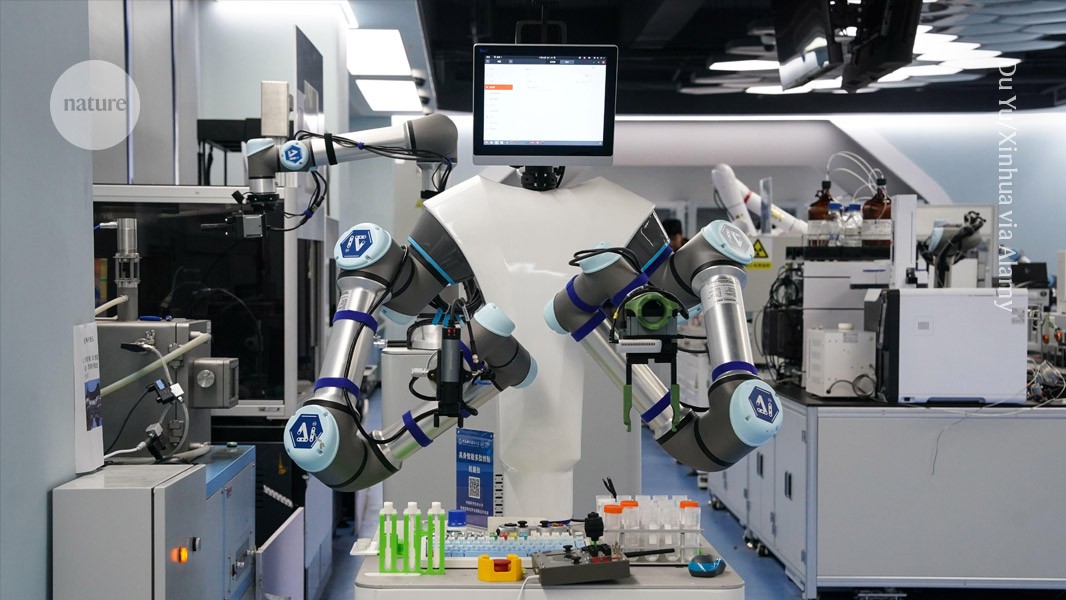
We are also seeing AI move into highly specialized professional domains. In the world of sports media, veteran football commentator Guy Mowbray has granted permission to EA Sports to use an AI version of his voice for future video game titles. This move allows the software to generate commentary for thousands of specific player names without requiring Mowbray to spend weeks in a recording booth. On a more scientific front, a debate is brewing over self-driving “robot labs” that use AI to automate complex biological experiments, such as protein synthesis. While some fear these systems could eventually replace human biologists, researchers currently in the field argue that the human element remains essential for high-level strategy and interpreting unexpected results.
The overarching takeaway from today’s developments is that AI is no longer a separate category of technology; it is becoming the infrastructure for everything else. Whether it’s how we search for a file, how a scientist runs an experiment, or how a voice is captured for a game, the shift is toward automation and synthesis. The challenge for the coming year won’t just be building smarter models, but ensuring that the “agents” we invite into our taskbars and our labs are as secure as they are capable.