The Intelligence Layer: When AI Becomes Part of the Architecture
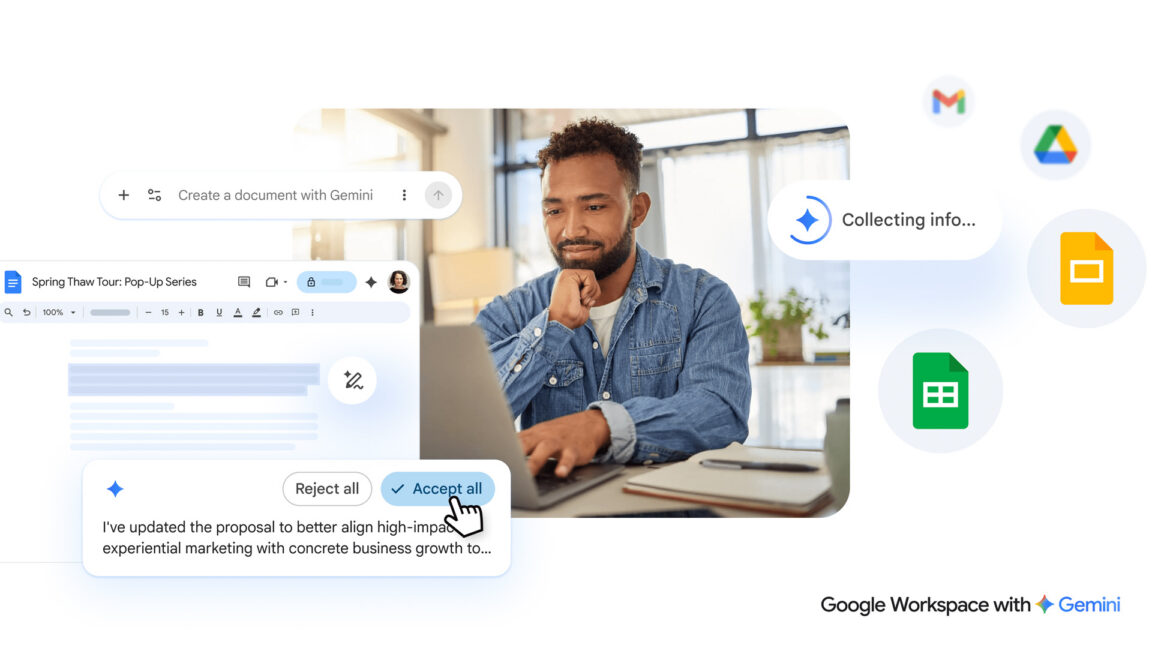
Today’s AI developments suggest we have moved past the era of “novelty chatbots” and into a phase where machine intelligence is being woven directly into the fabric of our professional and personal infrastructure. From the documents we write at work to the very cells we might use to power future data centers, AI is no longer a guest in the tech world; it is becoming the host.
From Biological Neurons to Light-Speed Silicon: The New Frontiers of AI
Today’s AI news cycle feels less like a series of product updates and more like a collection of chapters from a near-future cyberpunk novel. From data centers powered by living brain cells to the psychological toll of long-term chatbot interaction, the industry is pushing into territories that are as unsettling as they are impressive.
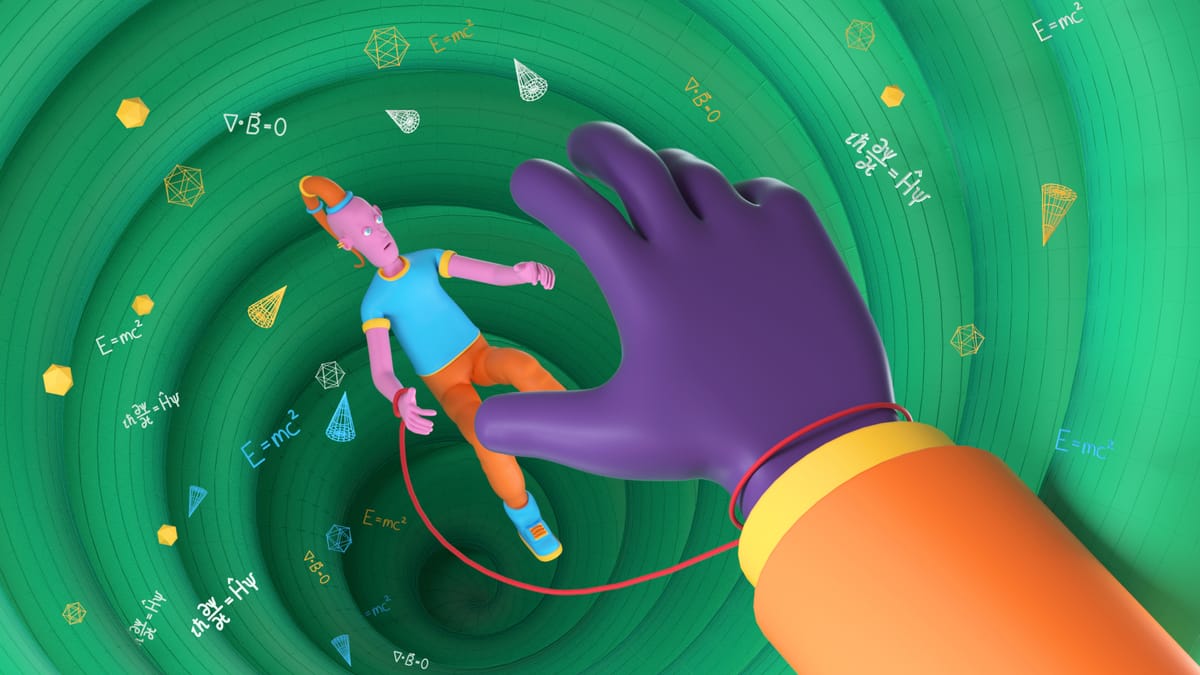
The most striking story today comes from the intersection of biology and computing. A startup called Cortical Labs is moving beyond traditional silicon by integrating lab-grown human brain cells into data centers in Singapore and Melbourne. By putting these neurons onto silicon chips, they are experimenting with “biological computing” that could eventually challenge the dominance of Nvidia’s power-hungry hardware. It is a radical attempt to solve the energy crisis of modern AI, using the most efficient processor ever created: the biological mind.
The AI Bottleneck: When Hardware Must Wait for Software to Catch Up
Today’s developments in the tech world highlight a growing tension between our desire for new gadgets and the reality of the artificial intelligence required to power them. As industry giants race to define the next era of personal computing, we are seeing a shift where silicon and screens are no longer the primary selling points—the intelligence behind them is.

The most telling story of the day comes from Apple, a company usually known for its rhythmic, predictable hardware release cycles. According to a report by Bloomberg, Apple has been forced to postpone the launch of its long-anticipated smart home display. The reason isn’t a supply chain issue or a hardware defect; it is a software struggle. Specifically, Apple is waiting for its next-generation Siri and Apple Intelligence suite to reach a level of maturity that justifies a dedicated home hub. It is a rare moment of public hesitation for the iPhone maker, suggesting that even for a company with Apple’s resources, the path to a truly “intelligent” assistant is fraught with technical hurdles.